Soft toys and small children: what the label covers and what it does not

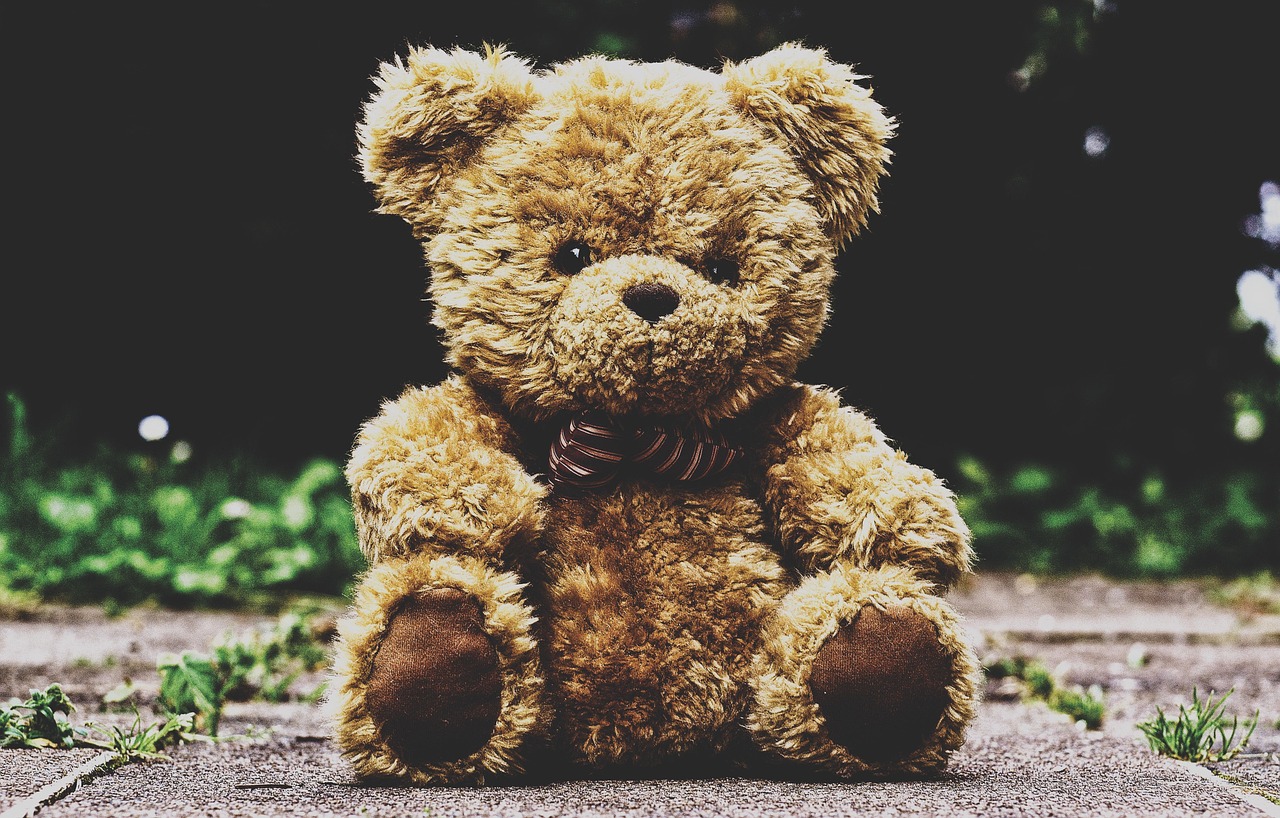
An age marking on a soft toy is a safety guide about small parts and construction. It is not a statement about how clever the child is, and a toy marked for older children is not “advanced” — it usually just has a part that a younger child could pull loose.
The parts worth looking at
- Eyes and noses. Embroidered features are the safest for the youngest children because there is nothing to detach.
- Seams. A double-stitched seam holds up to being dragged; a single row on a large plush toy is the first thing to go.
- Ribbons, bells and tags. Anything that can be chewed loose is why some plush items carry an older age marking.
Size is approximate, and that is normal
Stuffed items are measured differently by different makers — some ears in, some ears out, some lying flat and some sitting up. We list the figure supplied to us. Treat it as close rather than exact, particularly on long or irregular shapes.
Washing
Most plush is surface-washable: a damp cloth with mild soap, then air drying away from direct sun. Machine washing is only safe where the label allows it, and it is what loosens seams and matts the pile fastest. Never put a plush toy with a rattle or battery unit into water.
What we do not claim
We repeat the age marking the supplier gives; we do not test toys and we do not certify them. We do not describe any toy as developmental, therapeutic or educational, because those are claims we are not in a position to make.